Getting started
How to start when the gym feels intimidating
If walking into the weights area makes you want to turn around and head for the treadmill, you’re not alone, and it isn’t a sign that you don’t belong there.
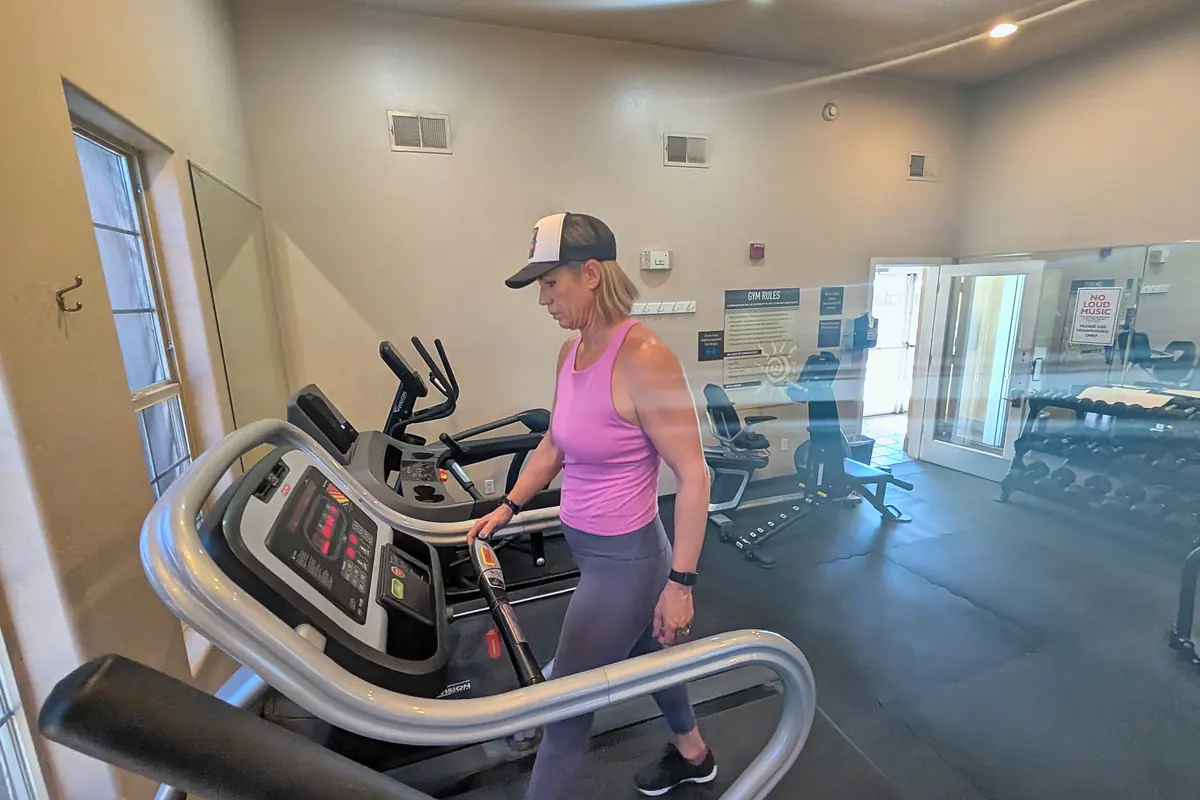
In one study of women’s experiences in UK gyms, women described the free-weights area as the men’s space and talked about feeling constantly “on show.” Those feelings are common, and they’re a big reason women never start lifting. Here’s how to get past them.
1. Start at home
You don’t need a gym to begin. The CDC recommends muscle-strengthening activity at least two days a week, and lifting weights, resistance bands and body-weight exercises all count. A pair of adjustable dumbbells covers the first several months.
2. Walk in with a plan
Most of the discomfort comes from not knowing what to do next. Write your session down before you go: five moves, sets and reps. Then you’re not wandering, you’re working.
3. Go when it’s quiet
Ask the front desk when the weights area is least busy. Mid-morning and early afternoon are often calmer than before or after work.
4. Start with dumbbells
Dumbbells are simpler than barbells, you can take them to a quiet corner, and every one of the five starter moves can be done with them.
5. Claim your spot
Pick a bench, put your water bottle and towel down, and put your headphones in. Most people in the weights area are focused on their own sets, not on you.
6. Learn the equipment once
A single session with a trainer or coach to walk through the machines, the benches and how to set things up takes most of the mystery out of the room.
7. Measure progress, not comfort
The first few visits will feel awkward. That fades. What doesn’t fade is watching the weights go up week after week, and that’s what makes the room feel like yours.
Online coaching is another way in: a plan you can follow at home or in the gym, video form checks so you know you’re doing it right before you ever feel watched, and a weekly check-in so you’re not walking in alone.