Nutrition
10 high-protein breakfasts for women over 40, about 30 grams each
Most of my clients don’t need a new diet. They need a better breakfast. Coffee and toast on the way out the door is maybe 6 grams of protein, and the rest of the day never quite catches up. These are the ten breakfasts I hand out most: each one lands around 30 grams, most take five minutes or less, and a few you can make on Sunday for the whole week.
Why aim for about 30 grams at breakfast?
Your body uses protein best in moderate doses spread through the day, not all at dinner. Stanford Lifestyle Medicine suggests about 30 grams per meal for adults over 50, and the International Society of Sports Nutrition points to 20 to 40 grams per serving for people who exercise.
Breakfast is where most women fall short. Cereal, a muffin, toast or a latte usually lands somewhere between 5 and 10 grams. Fix that one meal and your daily total jumps without changing anything else. If you haven’t worked out your daily target yet, how much protein women over 40 need explains the 1-gram-per-pound-of-goal-weight rule I use in coaching.
The 10 breakfasts at a glance
The protein numbers are rough. Brands vary by a few grams, so check your labels, but don’t lose sleep over the decimals.
| Breakfast | Protein | Time |
|---|---|---|
| Greek yogurt and hemp heart bowl | about 30 g | 2 min |
| Cottage cheese, fruit and almonds | about 32 g | 2 min |
| Egg and egg white scramble on toast | about 30 g | 5 min |
| Two-minute protein shake | about 33 g | 2 min |
| Protein oats | about 33 g | 5 min |
| Make-ahead egg bites | about 31 g | 1 min (prep Sunday) |
| Freezer breakfast burrito | about 33 g | 2 min (prep Sunday) |
| Smoked salmon toast | about 32 g | 3 min |
| Better breakfast sandwich | about 32 g | 5 min |
| Tofu scramble | about 31 g | 10 min |
Enter where you are and where you’re headed. Get your daily number, then tap once to see a full day of real meals that hits it.
- 1Set your starting and goal weight
- 2Get your daily protein target and timeline
- 3Plan my day: meals, a snack and a shake, built for you
1. Greek yogurt and hemp heart bowl (about 30 g)
The one I eat most. Plain Greek yogurt has roughly twice the protein of regular yogurt, and hemp hearts add a little more plus some crunch.
- 1 cup plain Greek yogurt: about 23 g
- 2 tablespoons hemp hearts: about 6 g
- A handful of berries: about 1 g
2. Cottage cheese, fruit and almonds (about 32 g)
Cottage cheese has had a glow-up, and for good reason. A cup of it is one of the cheapest 25 grams of protein in the grocery store.
- 1 cup cottage cheese: about 25 g
- ¼ cup almonds: about 7 g
- Pineapple, peaches or berries on top
Not a fan of the texture? Blend it smooth and it eats like a thick yogurt.
3. Egg and egg white scramble on toast (about 30 g)
Two eggs alone are only about 12 grams, which is why “I had eggs” so often falls short. Pouring liquid egg whites into the pan gets you the rest of the way without eating five eggs.
- 2 large eggs: about 12 g
- ½ cup liquid egg whites: about 13 g
- 1 slice whole-grain toast: about 4 g
Throw in spinach, peppers or whatever vegetables are going soft in the fridge.
4. Two-minute protein shake (about 33 g)
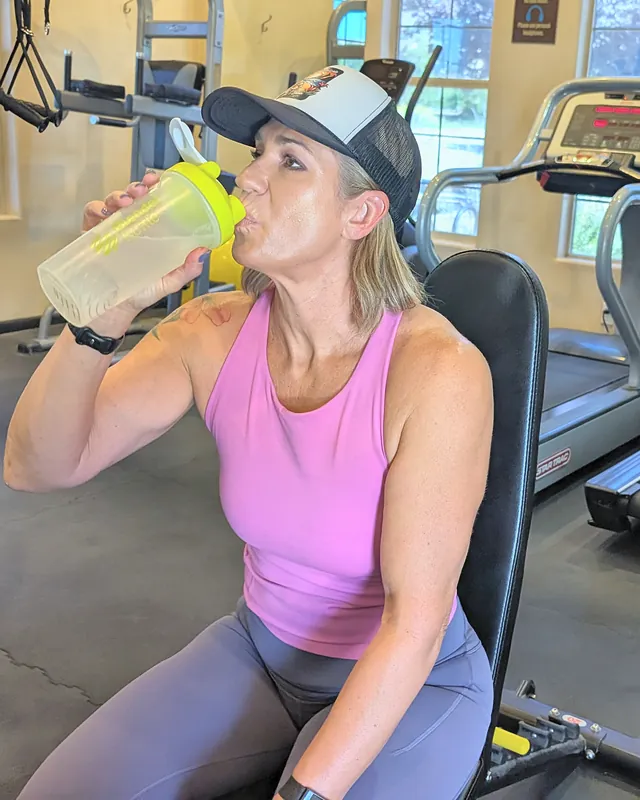
For the mornings you’re out the door in five minutes. Shake it, blend it, or drink it in the car.
- 1 scoop whey or plant protein powder: about 24 g
- 1 cup milk: about 8 g
- Half a banana or a handful of frozen berries: about 1 g
5. Protein oats (about 33 g)
Oatmeal on its own is about 5 grams. Stirring in a scoop of protein powder after it cooks turns it into a real breakfast.
- ½ cup rolled oats, cooked: about 5 g
- 1 scoop protein powder, stirred in after cooking: about 24 g
- 1 tablespoon peanut butter: about 4 g
Stir the powder in off the heat with a splash of milk, or it turns gluey. Overnight oats work too: mix it all the night before and grab the jar.
6. Make-ahead egg bites (about 31 g for 3)
Thirty minutes on Sunday gets you breakfast for four days. Three egg bites is a serving.
- Whisk 8 eggs, 2 cups liquid egg whites and 1 cup shredded cheese
- Add chopped vegetables, and diced ham or turkey if you like
- Pour into a greased 12-cup muffin tin and bake at 350°F for 20 to 25 minutes, until set
Each one comes out around 10 grams, so three is about 31. They keep in the fridge for about four days and reheat in 30 seconds.
7. Freezer breakfast burritos (about 33 g)
Make a batch, wrap each one in foil, and freeze. Microwave in the morning and you’re eating something better than the drive-through.
- 1 whole-wheat tortilla: about 4 g
- 2 scrambled eggs plus ¼ cup egg whites: about 18 g
- ¼ cup black beans: about 4 g
- ¼ cup shredded cheese: about 7 g
Salsa on everything.
8. Smoked salmon toast (about 32 g)
Feels fancy, takes three minutes. Swapping cream cheese for cottage cheese is what pushes it past 30 grams.
- 3 ounces smoked salmon: about 15 g
- ½ cup cottage cheese, spread on instead of cream cheese: about 13 g
- 1 slice whole-grain toast: about 4 g
Top with cucumber, capers, red onion or everything-bagel seasoning.
9. Better breakfast sandwich (about 32 g)
The coffee-shop version is usually around 15 grams. The homemade one nearly doubles it.
- 1 whole-wheat English muffin: about 5 g
- 1 egg plus ¼ cup egg whites, cooked flat: about 12 g
- 2 slices Canadian bacon: about 10 g
- 1 slice cheese: about 5 g
These freeze well too. Build five, wrap them, and reheat one each morning.
10. Tofu scramble (about 31 g)
The plant-based option, and it scrambles just like eggs. Press the tofu for a few minutes first so it browns instead of steaming.
- Half a 14-ounce block extra-firm tofu: about 22 g
- 2 tablespoons nutritional yeast: about 5 g
- 1 slice whole-grain toast: about 4 g
A pinch of turmeric gives it the color of eggs, and a handful of spinach wilts right in.
How do you make a high-protein breakfast a habit?
You don’t need ten breakfasts. You need two. The women I coach who stick with this pick one fast option for weekdays and one they enjoy for weekends, and they stop deciding every morning.
- Keep it stocked. Greek yogurt, cottage cheese, eggs, liquid egg whites and a tub of protein powder cover most of this list.
- Prep once. Egg bites or burritos on Sunday mean breakfast is already made on your busiest days.
- Rotate, don’t reinvent. Bored? Swap the toppings, not the whole breakfast.
What if you’re not hungry in the morning?
Plenty of women aren’t, and you don’t have to force a plate of eggs at 6 a.m. “Breakfast” can be your first meal at 9 or 10. Start with something you can drink, like the shake or protein coffee, or split it: yogurt now, a couple of egg bites mid-morning. The goal is getting about 30 grams into your first meal, whenever that is.
Want breakfast, and the rest of your day, planned around your protein target? Request a free consult call.
Common questions
How much protein should breakfast have for women over 40?
About 30 grams is a good target for most women over 40. Stanford Lifestyle Medicine suggests about 30 grams per meal for adults over 50, and most women’s usual breakfast lands well below that.
What is the easiest high-protein breakfast?
A protein shake: one scoop of protein powder in a cup of milk is about 30 grams and takes two minutes. Greek yogurt or cottage cheese with fruit is a close second.
Can I get 30 grams of protein at breakfast without eggs?
Yes. Greek yogurt with hemp hearts, cottage cheese with almonds, protein oats, a protein shake, smoked salmon toast and a tofu scramble all reach about 30 grams without eggs.
Do I need to hit exactly 30 grams?
No. Somewhere between 25 and 40 grams is great. Brands vary by a few grams, so use the numbers here as a guide and check your labels.
If you have kidney disease or have been told to limit protein, talk to your doctor before raising how much you eat.